Technical SEO is a set of practices and adjustments to a website that ensure that search engines (like Google or Seznam) can correctly Browse, Index a Evaluate. While the content and off-page part of SEO focuses on texts, keywords and links, technical SEO mainly deals with "health" and technical condition of the website. If the website is technically inadequate, then even the best content may not achieve good results.
The main goals of technical SEO
Technical SEO has three basic goals:
- Allow search engines to easily crawl the web, with no errors in the code, no blocking of bots, and no broken links.
- Ensure fast loading and good user experience, a fast website has a better chance of ranking higher.
- Properly structure and secure content, to help search engines understand what the website is about, and to protect visitors.
Key areas of technical SEO
1. Web loading speed
A fast website is crucial for SEO and user satisfaction. Google considers loading speed an important ranking factor. Optimization includes:
- image compression
- cache usage
- code minimization (CSS, JavaScript)
- selection of quality hosting
2. Mobile optimization
More than half of visits today come from mobile devices, which is why Google uses mobile-first Indexing. The website must be responsive and fully functional even on smaller displays.
3. HTTPS and security
Using an SSL certificate (HTTPS) is the standard today. It increases user confidence and is a subtle but confirmed signal for better ratings.
4. Website structure and internal links
Search engines need a logical and clear structure. Properly set URLs, categories and internal linking help with better navigation and indexing.
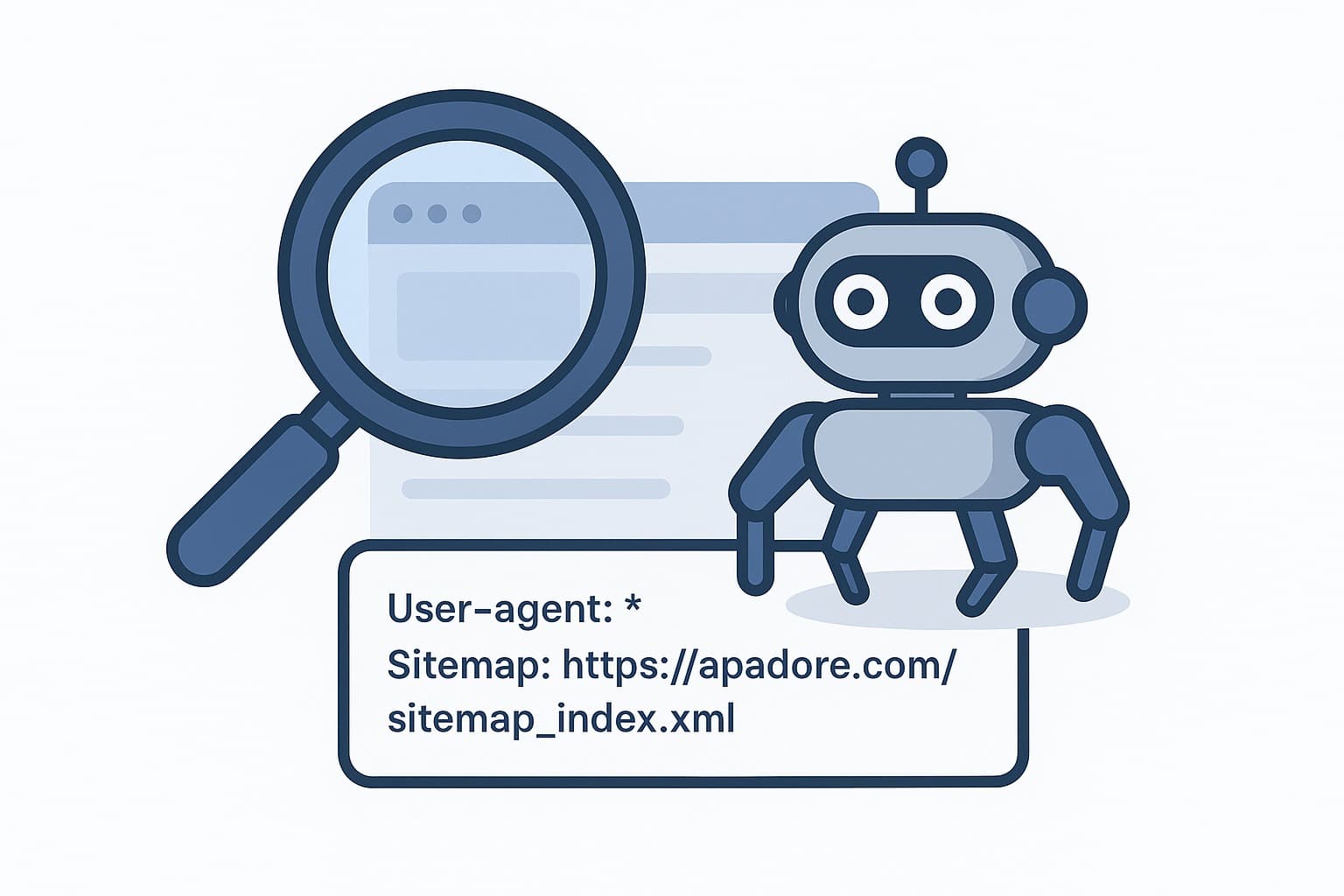
5. Robots.txt file and XML sitemap
- robots.txt - determines which parts of the site should be accessible to robots and which should not.
- XML sitemap - provides search engines with a list of important pages to index.
- LLMs.txt - a new file type used to orient AI models like ChatGPT, Claude, etc.
6. Structured data (schema.org)
Using structured data, search engines can provide additional information about content (e.g. reviews, events, products) that can lead to rich snippets in search results.
7. Error resolution (404, redirection)
Technical SEO also includes regular checking and fixing broken links, 404 errors and proper redirect settings (301, 302).
How to check technical SEO
A technical SEO audit is usually performed using tools such as:
- Google Search Console
- Screaming Frog
- Ahrefs
- Marketing Miner
These tools detect problems in indexing, speed, security or structured data.
Why technical SEO is important
Even the best quality content becomes irrelevant if search engines can't find it or if the site loads too slowly for users. Technical SEO is the cornerstone of all optimization, without it, long-term growth in organic search is practically impossible.
Quick overview: key factors of technical SEO
| Area | What it solves | Why it is important |
|---|---|---|
| Web speed | Loading optimization | Better UX, higher rankings |
| Mobile version | Responsive design | Mobile-first indexing |
| HTTPS | Site security | User trust, SEO signal |
| Structure of the website | Logical arrangement of content | Easier indexing |
| robots.txt & sitemap | Navigation for robots | Find pages faster |
| Structured data | Advanced search results | Higher CTR |
| Error correction | 404, redirect | Better UX, no loss of authority |
Summary
Technical SEO is all about making a website fast, secure, easily searchable and properly structured. It's an invisible but essential part of optimizationthat allows content to shine and deliver results. When creating a new website, it is essential to think about technical SEO from the very beginning. As your site grows over time its importance only increases. If you are serious about your website, leave its creation to proven professionals.
You'll find the same rules in website accessibility. Semantic HTML, a logical hierarchy of headings, and image captions help both search engines and screen readers, so one effort yields two benefits.
A separate topic within technical SEO is Redirects and the Differences Between Status Codes 301, 302, 307, and 308. They determine which URL Google will treat as the canonical one, and—during a website migration—whether you'll retain your search rankings.
Technical SEO is just one of the four areas that make up a comprehensive SEO service. We describe how much such a comprehensive collaboration costs and what it should include in article on SEO pricing in 2026.